Two bodies, always
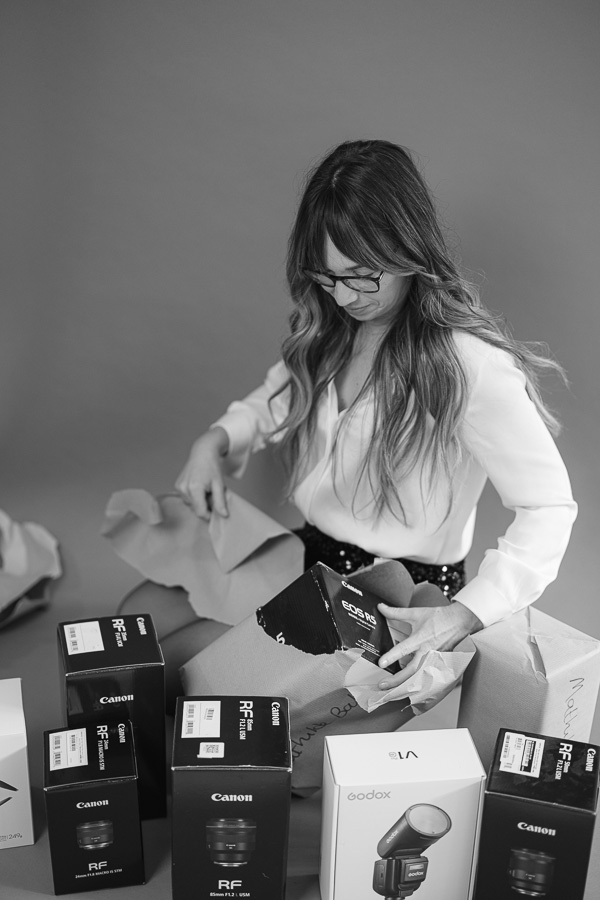
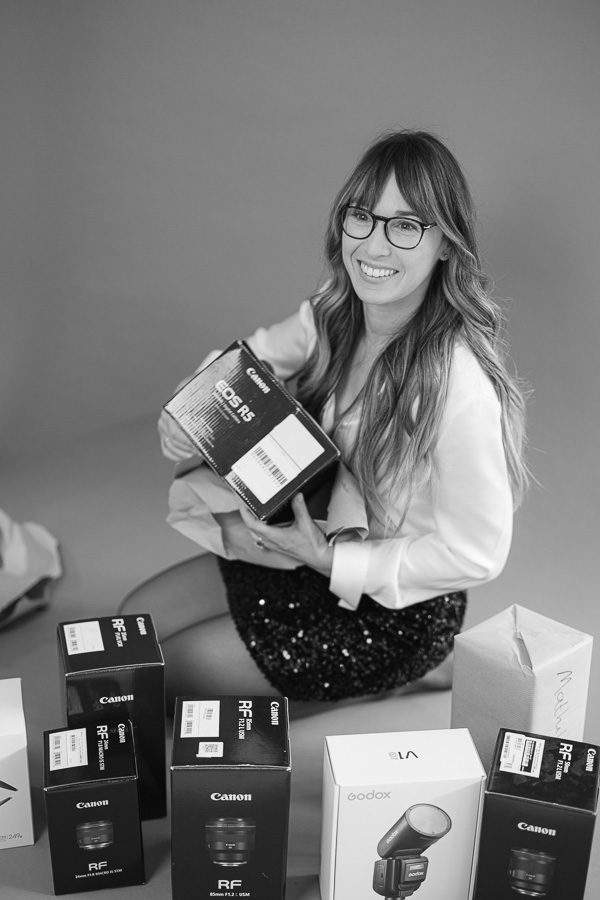
The first thing to know about how I work: I always shoot with two Canon EOS R5 bodies. One has my 50mm F1.2 permanently mounted, it never comes off. The second body is where I alternate between my other lenses depending on the moment, the light, and what the situation requires.
This two-body approach is not just about backup, although that matters enormously when you are the only photographer at someone’s wedding. It is about speed. Switching lenses takes time, and time is something you never have enough of at a wedding. Having two bodies ready means I never miss a moment fumbling with glass.
Why Canon
I chose Canon for my main cameras, and I have never looked back. The reason comes down to color.
Canon is widely recognised among portrait photographers for producing warm, flattering skin tones straight out of camera. Sony tends toward a more neutral, clinical look that requires significant work in post-processing to feel warm and alive. Nikon files can lean slightly cool with a yellow-green cast. Canon, by contrast, gives me a beautiful, creamy base to work from and in portrait and wedding photography, where skin tones are everything, that starting point matters enormously.


My two Canon EOS R5 bodies give me 45 megapixels, exceptional autofocus, and outstanding performance in low light which is essential for dancing floors, candlelit ceremonies, and late evening receptions.
Why prime lenses and not a zoom
This is the question I get asked most often by clients who notice I am carrying multiple lenses rather than a single versatile zoom.
The answer is simple: the F1.2 aperture.
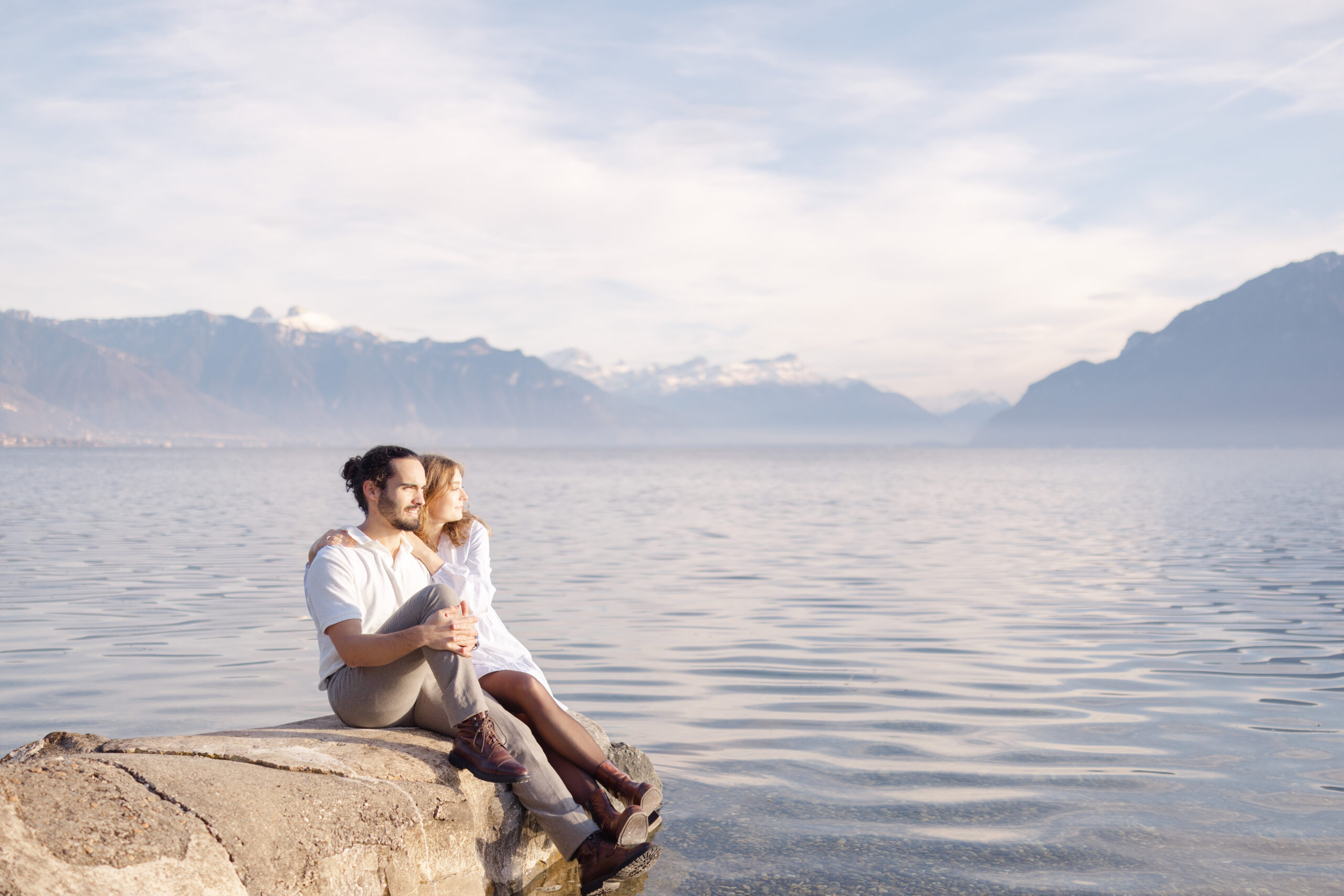
No zoom lens on the market, not even the best ones, can open to F1.2. And that aperture is where the magic lives. At F1.2, the background dissolves into a soft, creamy blur that gives my images their signature dreamy, pastel quality. It is the bokeh, that beautiful separation between subject and background, that makes a portrait feel intimate and cinematic rather than flat and documentary.
A zoom at F2.8 is a wonderful tool. But it is not the same. Not even close.
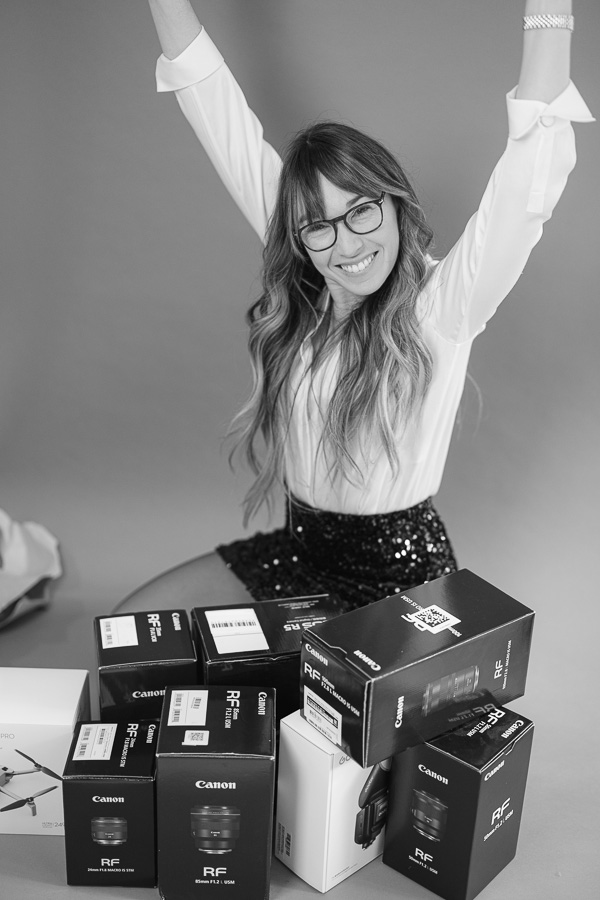
My lenses and when I use them
The 50mm F1.2 : my constant companion
The RF 50mm F1.2 is always on my first body. Always. It is the focal length closest to how the human eye sees the world, natural, undistorted, intimate without being intrusive. It is my anchor for every session, every wedding, every family shoot. If I could only keep one lens, this would be it.
The 24mm : for context and space
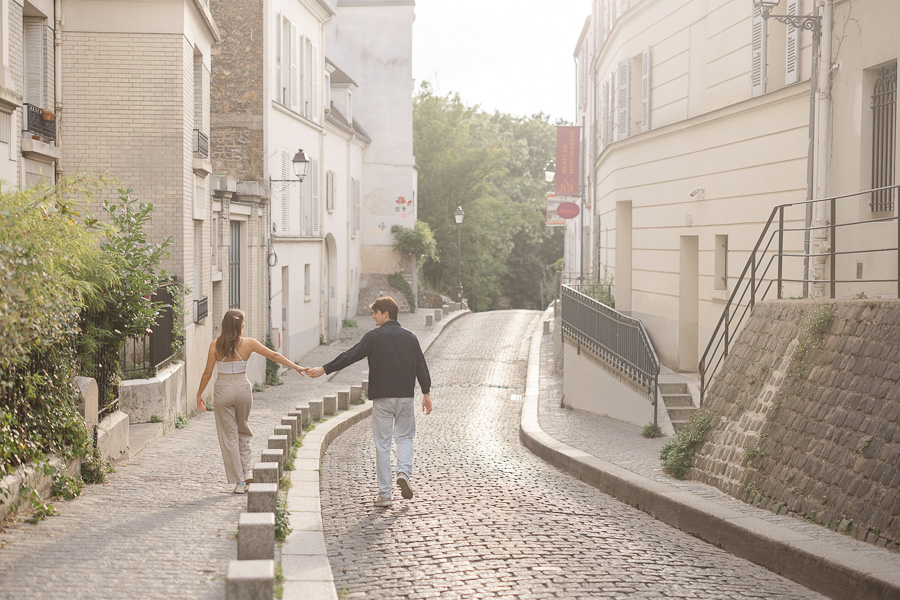
Every session begins with the 24mm. For family and couple sessions, I use it to establish the location — to show where we are, the landscape, the light, the environment. At weddings, it is essential during preparations, where rooms are small and I need to capture the whole scene. It is also my go-to for flat lays, the dress laid out, the rings, the details, where a wider perspective gives a beautiful, editorial feel.
The 35mm : my storytelling lens
The 35mm is probably the lens I reach for most after the 50mm. It sits in that perfect sweet spot between wide and intimate. At weddings, I switch to it as the ceremony begins, close enough to feel present, wide enough to capture the emotion of the room. During the cocktail hour, it handles group shots beautifully. And when the dancing starts, the 35mm stays on and nothing else comes out. From the dinner through the end of the evening, I often work with just one body, and the 35mm is always on it.
The 85mm F1.2 : for portraits that take your breath away
The 85mm is my portrait lens, and at F1.2 it produces images of extraordinary beauty. The compression, the bokeh, the way it renders skin, there is nothing quite like it. I mount it during the last quarter of a family session, when clients have relaxed and forgotten the camera exists, that is when the most beautiful portraits happen. At weddings, it goes on during the ceremony so I can stay at a respectful distance while still capturing the most intimate expressions. During the cocktail hour, I use it for individual portraits of guests.
The RF 100mm Macro : for the details that tell the story
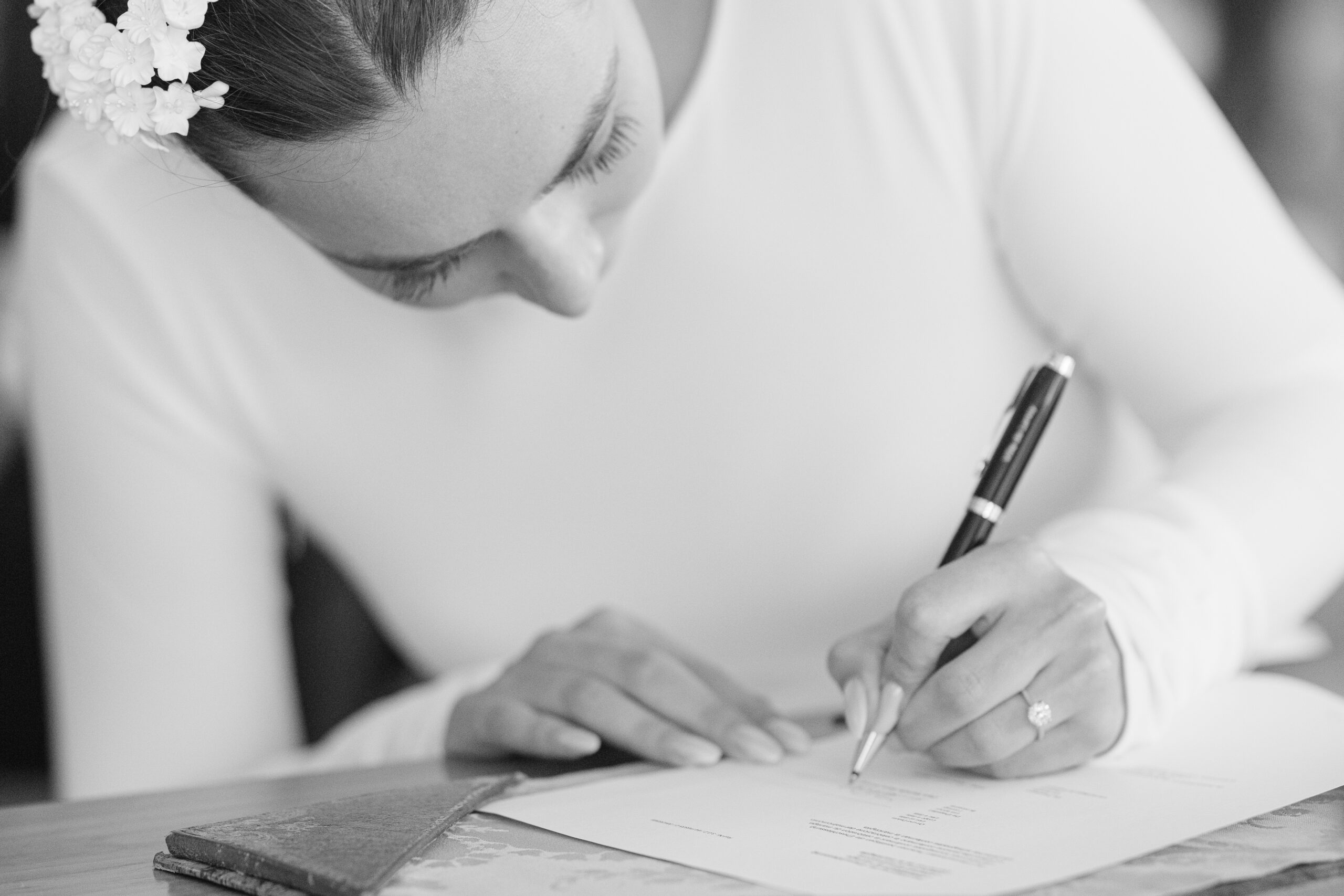
The rings. The embroidery on the dress. The flowers in the bouquet. The handwritten vows. These details matter, they are part of the story of the day. The 100mm Macro lets me get close enough to render them with extraordinary sharpness and beauty.
The 16mm : for the grand moments
When the venue is spectacular, when the landscape is vast, when I want to show the full scale of a scene, the 16mm comes out. It is the lens that makes mountains look majestic and ballrooms look infinite.
The DJI Mini 4 Pro : adding a dimension
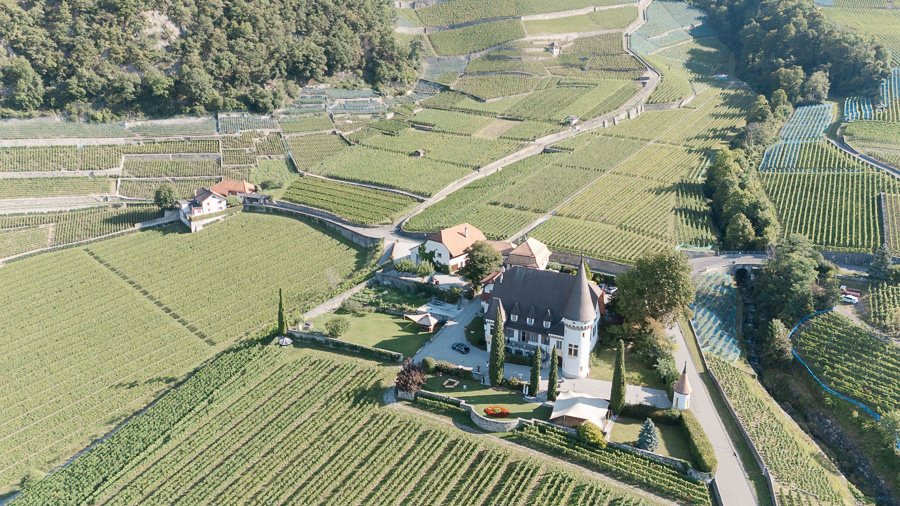
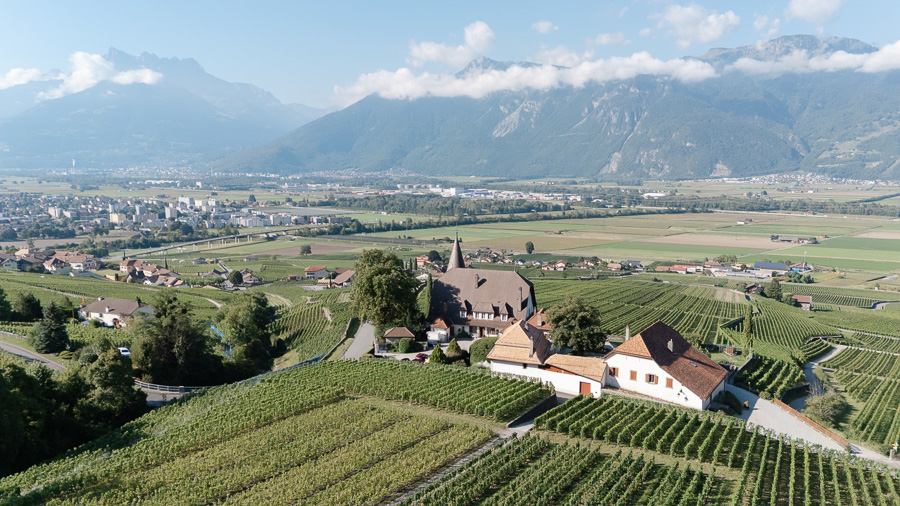
I fly the DJI Mini 4 Pro at weddings to capture aerial perspectives that simply cannot be achieved from the ground. The couple tiny against a vast Alpine landscape. The château seen from above. The guests gathered on a terrace from a bird’s eye view.
For family sessions, I can also use the drone, but this requires careful planning, as Switzerland and France have strict regulations about where drone flight is permitted. We always choose locations where flying is authorised in advance.
The DJI Mini 4 Pro is compact, discreet, and produces stunning 4K footage and stills. It is a tool I use with intention, not for every moment, but for the moments where height changes everything.
What this means for you
When you book me, you are not just booking a photographer. You are booking two professional camera bodies, six prime lenses, a drone, and years of practice knowing exactly which tool to reach for at exactly the right moment.
The F1.2 aperture in your portraits. The 35mm on the dance floor. The drone over your venue at golden hour.
Every choice I make with my equipment is in service of one thing: images that feel alive, warm, and beautiful, images you will want to print and keep forever.
Mathilde Ballet is a wedding and portrait photographer based in Geneva, Switzerland. To enquire about your wedding or session date, get in touch here.